
How can AI protect your critical infrastructure from today's evolving cyber threats? Contact Visio Consulting to build your resilient defense strategy.
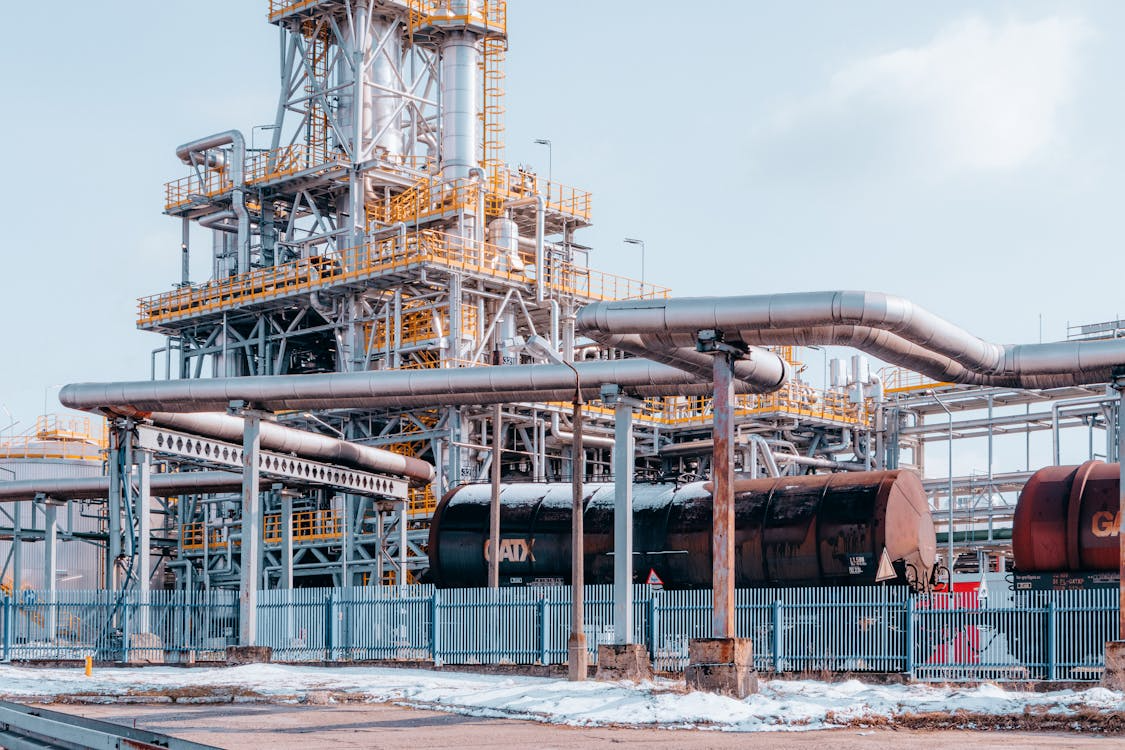
Critical infrastructure keeps modern society running. Power grids, water systems, transportation networks, and healthcare facilities all depend on interconnected digital systems that attackers are increasingly targeting. Traditional security tools can't keep up with the speed and sophistication of today's threats, which is why organizations are turning to artificial intelligence to close the gap.
AI brings the ability to detect anomalies in real time, automate responses, and predict vulnerabilities before they're exploited. For agencies and enterprises managing essential services, these capabilities aren't optional anymore.
The first line of defense is knowing when something's wrong. AI excels at sifting through massive network data to spot patterns that signal an attack. Unlike rule-based systems that only catch known threats, machine learning models identify new attack vectors by recognizing behavior that deviates from established baselines.
Modern platforms integrating SIEM and SOAR capabilities with AI analytics can monitor infrastructure around the clock. They correlate events across multiple systems, reducing false positives and surfacing incidents that matter. For organizations managing ai driven security risk management, this visibility is foundational.
Waiting for an attack before responding is a losing strategy. AI-driven predictive analytics scan systems continuously, identifying weak configurations, outdated software, and exposed access points. These tools prioritize risks based on exploitability and impact, so teams know where to focus patching efforts.
This proactive approach is especially valuable for securing industrial control systems, where a single unpatched vulnerability can cascade into widespread failure.
When a breach happens, every second counts. AI-powered automation can execute predefined response playbooks instantly, isolating compromised systems, blocking malicious IPs, and alerting the right people without waiting for human intervention. This cuts response time from hours to seconds.
The key is building playbooks that match your operational context. Organizations investing in critical infrastructure automation and resilience benefit from tailored workflows that account for sector-specific risks and compliance requirements.
Not all threats come from outside. Insider threats, whether malicious or accidental, account for a significant portion of security incidents. AI-based behavioral analytics establish normal activity patterns for each user and device, then flag deviations that could indicate compromised credentials.
These systems analyze login times, data access patterns, and file transfers. When an employee's account suddenly starts accessing sensitive files it never touched before, the system raises an alert before damage spreads.
Zero trust assumes that no user, device, or network segment should be trusted by default. Every access request gets verified, regardless of where it originates. AI enhances zero trust by continuously evaluating risk signals, adjusting access permissions dynamically based on context like device health, location, and behavior.
Implementing zero trust architecture for infrastructure security requires a phased approach. Start by mapping data flows and identifying critical assets, then gradually enforce stricter verification at each access point. AI helps manage the complexity by automating policy enforcement and adapting to changing conditions.
Flat networks are an attacker's playground. Once inside, they can move freely between systems. Segmentation divides the network into isolated zones, limiting how far an intruder can travel. AI takes this further with micro-segmentation, creating granular boundaries around individual workloads.
Machine learning analyzes traffic patterns to recommend segmentation policies that balance security with operational needs, catching misconfigurations before they become exploitable gaps.
Endpoints, from employee laptops to industrial sensors, are prime targets. AI-powered endpoint detection and response tools go beyond signature-based antivirus by analyzing process behaviors, memory usage, and file system changes. They can stop fileless malware, zero-day exploits, and sophisticated attacks that evade traditional defenses.
For critical infrastructure, endpoints often include operational technology devices that weren't designed with security in mind. Applying ai cybersecurity for critical infrastructure to these environments requires solutions that understand both IT and OT contexts.

AI becomes more powerful when it's fed quality data. Integrating threat intelligence feeds gives AI models current information about attacker tactics, malware signatures, and vulnerable systems. This context improves detection accuracy and helps prioritize which alerts need immediate attention.
The best implementations automate the ingestion and correlation of multiple intelligence sources, blending commercial feeds with government advisories and industry-specific sharing groups.
Regulated industries face strict requirements around data protection, access controls, and incident reporting. Manual compliance tracking is time-consuming and error-prone. AI automates evidence collection, control monitoring, and gap analysis, making audits less painful and reducing the risk of violations.
Organizations focused on governance strategies for regulated infrastructure can use AI to map security controls to frameworks like FISMA, NIST, and sector-specific standards. Continuous monitoring replaces point-in-time assessments, ensuring compliance stays current as environments change.
AI isn't a replacement for skilled security professionals. It's a force multiplier. The most effective defense strategies combine AI's speed and pattern recognition with human judgment and creativity. Analysts interpret alerts, investigate complex incidents, and make decisions that require contextual understanding.
Training teams to work alongside AI tools matters as much as deploying the technology. When humans and machines collaborate effectively, organizations get faster detection and stronger resilience.
Building AI-driven defenses for critical infrastructure takes expertise in both technology and the regulatory landscape. If your organization is ready to strengthen its security posture, reach out to Visio Consulting to start the conversation.
Protecting critical infrastructure demands more than traditional security measures. AI brings the speed, scale, and intelligence needed to defend against modern threats while maintaining operational continuity. From predictive analytics to automated response, these ten tactics form a comprehensive approach that addresses vulnerabilities before they become incidents. The organizations that thrive will be those that embrace AI as a core part of their defense strategy, not as an afterthought.