
How can AI help protect sensitive patient information from cyberattacks? Contact Visio Consulting to strengthen your healthcare data security strategy.

Healthcare organizations store some of the most valuable data on the planet. Patient records contain everything from Social Security numbers to medical histories, making them prime targets for cybercriminals. The traditional approach to cybersecurity, which relies on manual monitoring and reactive defenses, can't keep pace with today's sophisticated attacks. That's where artificial intelligence steps in, offering healthcare providers a smarter, faster way to detect threats and protect sensitive patient information.
Medical records are worth significantly more on the black market than financial data. A single patient record can fetch hundreds of dollars because it contains a complete identity profile useful for fraud, insurance scams, or blackmail. Unlike a credit card that can be canceled, you can't change your medical history or Social Security number.
Hospitals also face pressure to maintain operations around the clock, making them vulnerable to ransomware attacks where criminals lock down systems and demand payment. The shift toward connected medical devices has created additional vulnerabilities. Recent reports on protecting health data from cyber threats highlight how patient monitors and other equipment can become entry points for attackers.
Traditional security tools work like a fence around your property, keeping out known threats and alerting you when something obvious goes wrong. AI-powered systems work more like a trained guard who learns your routines and notices when something feels off, even if they can't immediately explain why.
Machine learning algorithms analyze massive amounts of network traffic, user behavior, and system activity to establish what "normal" looks like. When something deviates from that baseline, the system flags it for review or takes automatic action. This approach catches subtle attacks that rule-based systems would miss.
The real power of AI cybersecurity in healthcare lies in speed. An AI system can detect and respond to threats in milliseconds, while a human analyst might take hours to notice the same issue. When dealing with ransomware or data exfiltration, those extra hours can mean the difference between a minor incident and a catastrophic breach.
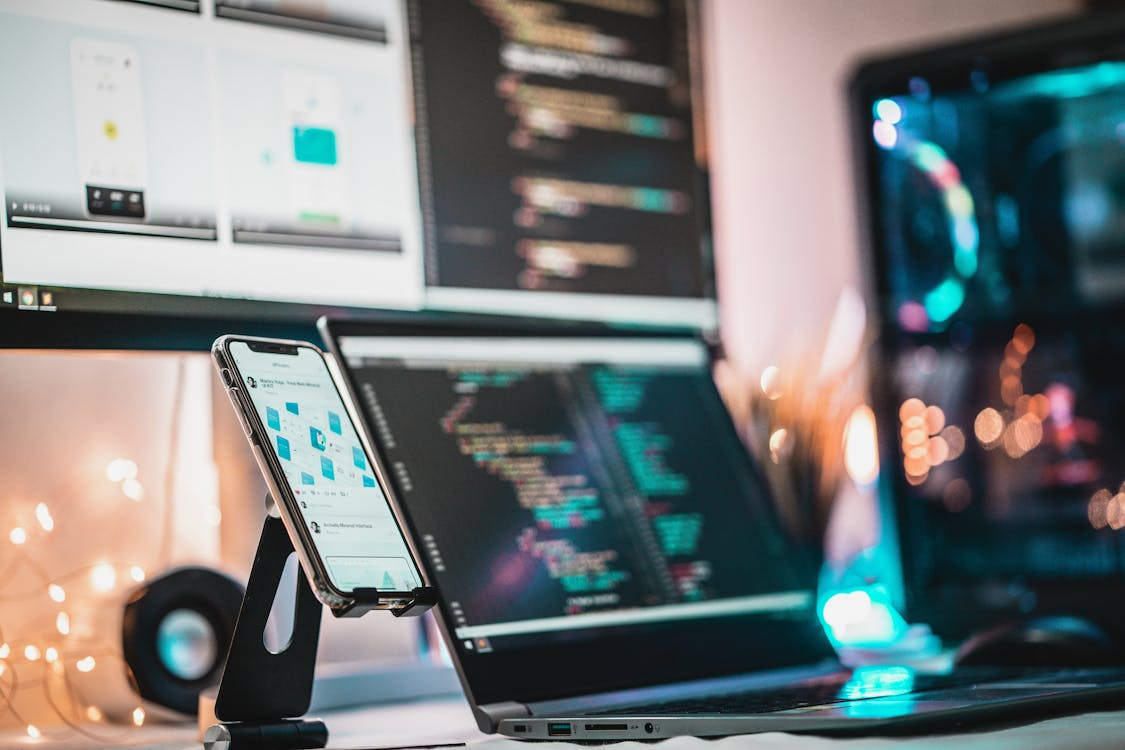
Implementing AI cybersecurity isn't about replacing your existing tools overnight. It's about adding intelligent layers that work alongside your current infrastructure.
A solid ai driven security risk management approach begins with assessment. You need to understand where your data lives, who accesses it, and how it moves through your systems. AI tools can help map these patterns, but they need accurate information to work with.
Consider these core components for your AI security strategy:
Technology Innovation And Automation
Healthcare organizations operate under strict regulations, and HIPAA security rule guidance sets clear expectations for protecting patient information. AI systems can make compliance easier by providing detailed audit trails and continuous monitoring that manual processes struggle to match.
A comprehensive healthcare data protection and compliance strategy should align your AI tools with regulatory requirements from the start. This means configuring systems to track access, flag potential violations, and generate reports demonstrating your security controls work as intended.
AI can also help with the administrative burden of compliance. Natural language processing tools can review policies, identify gaps, and suggest updates based on changing regulations.

Getting started with AI cybersecurity doesn't require a complete overhaul of your existing systems. Many organizations begin by automating cybersecurity operations with ai in specific areas before expanding to broader coverage.
Here's a practical roadmap:
AI isn't a replacement for skilled security professionals. It's a tool that makes them more effective. The best implementations combine AI's speed and pattern recognition with human judgment and creativity.
Your security team should oversee AI systems, investigate flagged incidents, and make decisions about how to respond to novel threats. AI handles the volume and velocity of modern cyberattacks, while humans provide the context and strategic thinking that machines can't replicate.
Ready to explore how AI can strengthen your healthcare data security? Get in touch with Visio Consulting to discuss your organization's specific needs and build a defense strategy that keeps pace with evolving threats.
Protecting healthcare data requires more than traditional security measures. AI-powered cybersecurity gives organizations the ability to detect threats faster, respond automatically, and maintain compliance with less manual effort. The technology continues to evolve, and healthcare providers who adopt it now will be better positioned to defend against tomorrow's attacks. The goal isn't perfection but continuous improvement, building security systems that learn and adapt alongside the threats they're designed to stop.