
What does continuous authorization with AI mean for your organization's security? Contact Visio Consulting to modernize your compliance strategy today.
Traditional security authorization used to work like a yearly check-up. You'd assess your systems, get the stamp of approval, and move on until the next review cycle. But threats don't wait for annual assessments, and neither should your security posture. Continuous authorization flips that old model on its head by keeping security validation active all the time, and AI is making that shift faster and smarter than ever before.
For decades, government agencies and enterprises relied on point-in-time assessments to authorize their systems. The process involved a lengthy review, a formal Authority to Operate (ATO), and then waiting until the next scheduled evaluation. The problem? A lot can change in a year. New vulnerabilities emerge, configurations drift, and threat actors evolve.
This gap between assessments creates blind spots. A system that was secure in January might have critical exposures by June, but under the old model, nobody would know until the next review. That's a risk most organizations can't afford, especially those handling sensitive data.
Continuous authorization is exactly what it sounds like: ongoing, real-time validation that a system remains secure and compliant. Instead of a single snapshot, you get a continuous feed of security data reflecting your environment's current state. This approach relies on continuous monitoring under NIST frameworks, which emphasize persistent oversight rather than periodic reviews.
The goal isn't just catching problems faster. It's building a security culture where compliance isn't a hurdle you clear once and forget. When authorization is continuous, security becomes part of daily operations rather than an annual fire drill.
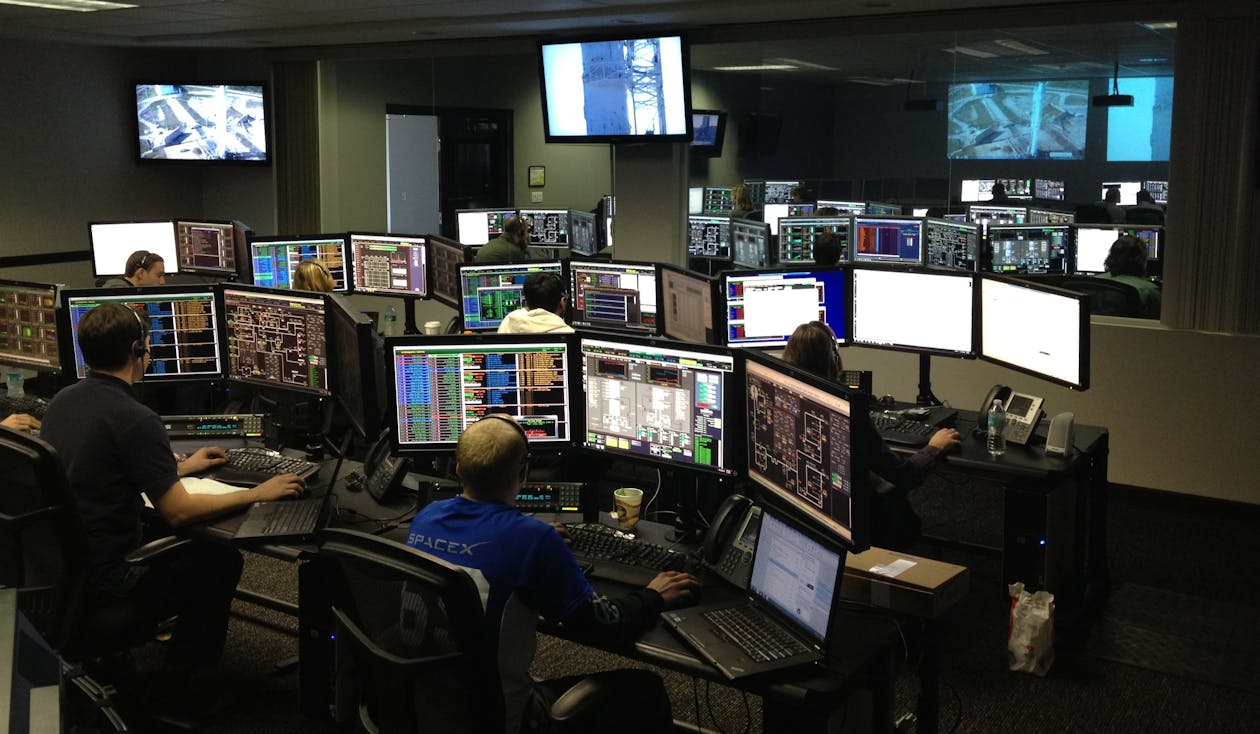
Manual continuous monitoring is possible, but it's exhausting. Security teams would need to review logs, analyze alerts, and validate configurations around the clock. That's where AI changes the game. Machine learning models can process massive amounts of security data in real time, flagging anomalies and prioritizing risks without burning out your staff.
AI doesn't just speed things up. It also improves accuracy. Human analysts can miss patterns in noisy data, especially when they're reviewing thousands of events per day. AI systems trained on historical threat data can spot subtle indicators that might slip past even experienced professionals. This is why AI-driven continuous monitoring in federal systems has become a priority at the highest levels of government.
Organizations looking to modernize their approach often start with continuous authorization automation, which integrates AI-powered tools into existing security workflows. The result is a system that validates compliance continuously without requiring constant human intervention.
Continuous authorization and zero trust go hand in hand. Zero trust assumes that no user, device, or system should be trusted by default, even if it's inside your network perimeter. Every access request gets verified, and that verification needs to happen continuously, not just at login.
When you layer AI-driven continuous authorization into a zero trust architecture, you create a security model that adapts in real time. If a device's risk profile changes, the system can adjust access permissions automatically. If a user's behavior deviates from normal patterns, AI can flag it for review or trigger additional authentication steps. This dynamic approach is central to how zero trust and continuous authorization models are reshaping enterprise security.

The shift to continuous authorization isn't just about compliance. It delivers real operational benefits that affect day-to-day security management.
Faster risk response. When threats are detected in real time, teams can act before damage spreads. There's no waiting for the next quarterly review to discover a critical vulnerability.
Reduced audit burden. Continuous monitoring generates an ongoing record of compliance. When audit time comes, you're not scrambling to gather evidence because it's already documented.
Better resource allocation. AI handles the repetitive analysis work, freeing security professionals to focus on strategic priorities and complex investigations.
Stronger alignment with regulations. Federal mandates like FISMA and frameworks like FedRAMP are increasingly emphasizing continuous monitoring. Getting ahead of these requirements positions organizations for smoother compliance.
Effective implementation requires a coordinated strategy that connects technology, policy, and operations. That's why many organizations pair continuous authorization with broader security risk management services and business operations and governance strategy to make sure their security investments align with organizational goals.
Rolling out continuous authorization with AI isn't a flip-the-switch project. It requires careful planning and the right infrastructure.
If your organization is still relying on periodic assessments, you're leaving gaps that attackers can exploit. Continuous authorization with AI closes those gaps and keeps your security posture aligned with today's threat landscape. Get in touch with Visio Consulting to explore how AI-driven continuous monitoring can work for your agency or enterprise.
Continuous authorization represents a fundamental shift in how organizations think about security compliance. Instead of treating authorization as a one-time event, it becomes an ongoing process powered by AI and aligned with zero trust principles.
For federal agencies and enterprises facing growing threats and tightening regulations, this approach offers a smarter, faster, and more resilient path forward. The technology is ready. The frameworks are in place. The question is whether your organization is prepared to make the shift.