
Is your SOC team drowning in thousands of daily alerts? Contact Visio Consulting to see how AI can transform your security operations.
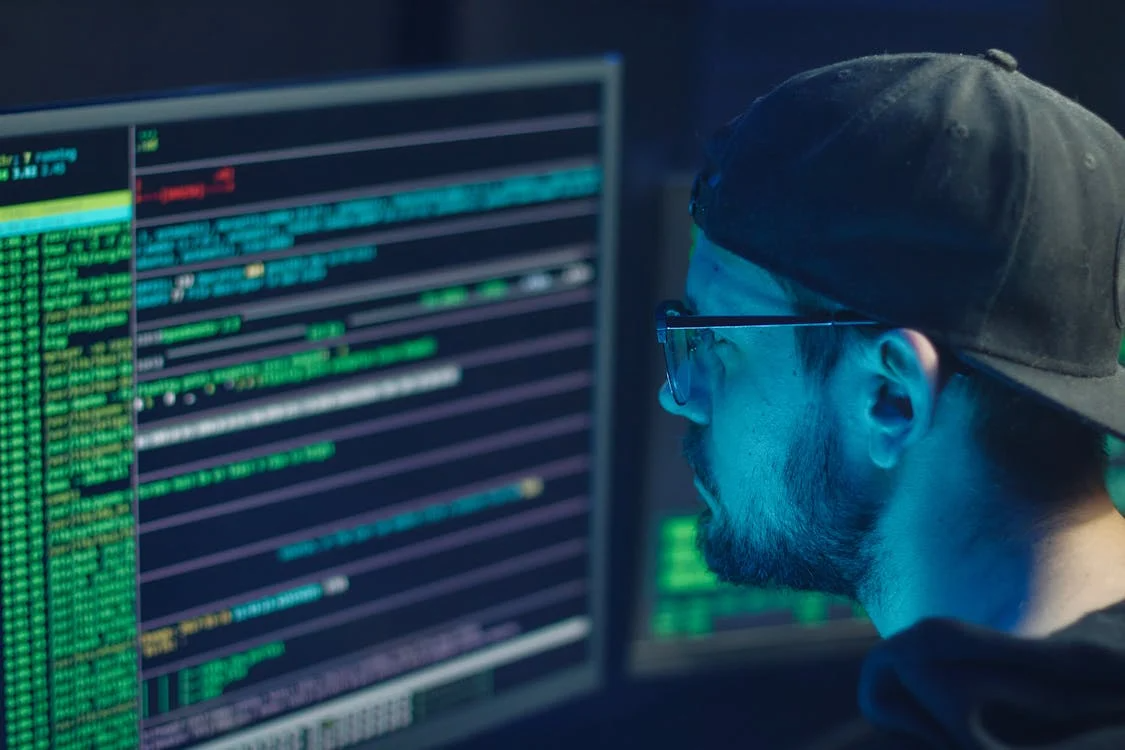
Security operations center (SOC) analysts face an overwhelming reality every day. They're hit with thousands of alerts, most of which turn out to be false positives or low-priority noise. This constant flood creates what's known as alert fatigue, a state where analysts become desensitized to warnings and start missing the ones that actually matter.
The consequences can be severe, from delayed threat response to complete burnout among skilled security professionals. AI is changing this dynamic by filtering, prioritizing, and even responding to alerts before human eyes ever see them.
Modern security tools generate alerts at a pace no human team can match. A mid-sized organization might see 10,000 or more alerts per day across firewalls, endpoint detection systems, and network monitors. Studies consistently show that 40% to 90% of these alerts are false positives, flagging normal activity as suspicious.
This creates a vicious cycle. Analysts spend hours chasing alerts that lead nowhere, leaving less time for real threats. Over time, they start ignoring certain alert types or applying less scrutiny. Organizations investing in security risk management services recognize that adding more tools only worsens the problem without smarter filtering.
AI tackles alert fatigue through several mechanisms working together. The first is correlation and deduplication. Instead of showing analysts five separate alerts about the same suspicious login, AI groups them into a single incident with full context. This alone can cut alert volume by half or more.
The second mechanism is behavioral analysis. AI learns what normal looks like for each user, device, and network segment. When activity falls within expected patterns, the system suppresses low-confidence alerts. When something genuinely unusual happens, that alert gets priority with context about why it stands out.
Machine learning models also assign risk scores based on:
This scoring means analysts see a prioritized list rather than a chronological dump. Organizations implementing ai-powered security automation find their teams can focus on the 5% of alerts that actually require human judgment.
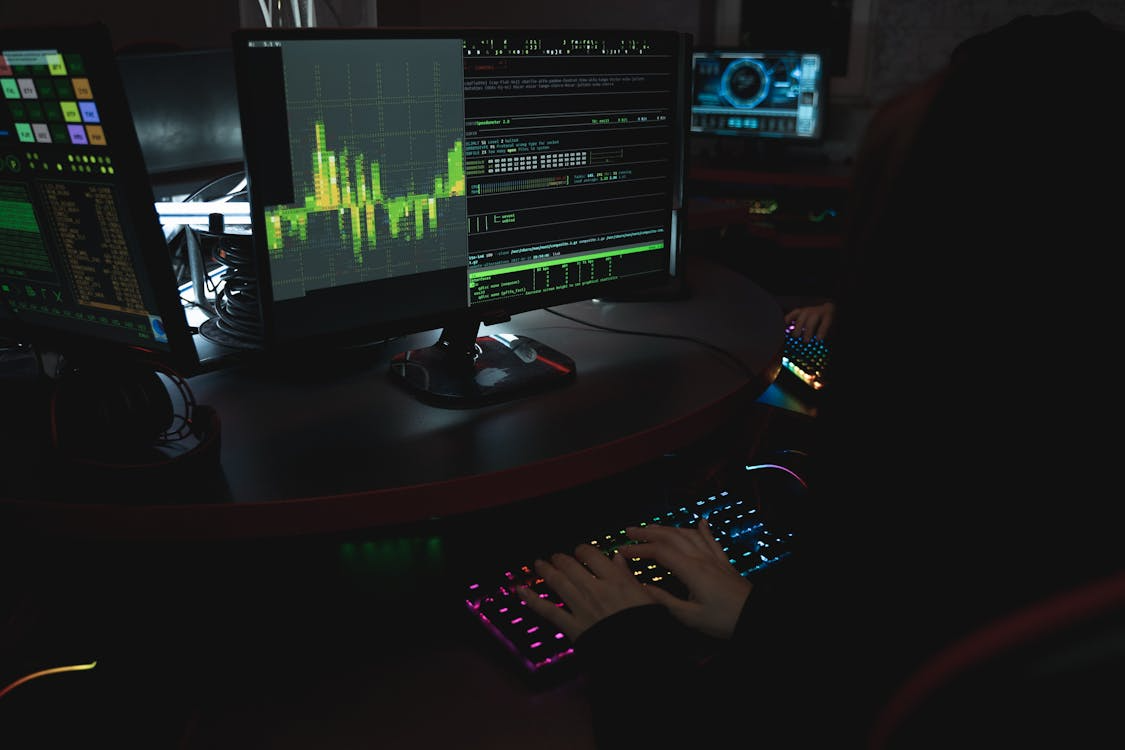
Filtering alerts is only part of the solution. AI also enables automated response actions that happen in seconds rather than hours. When the system detects a clear threat, like known malware or an obvious credential theft attempt, it can act immediately without waiting for analyst review.
Common automated responses include:
These actions follow predefined playbooks that security teams configure in advance. The AI executes responses that analysts have already approved for specific threat types. This approach to reducing SOC alert fatigue with automation keeps humans in control while removing delays that attackers exploit.
One of AI's biggest advantages is that it gets smarter over time. Every time an analyst marks an alert as a false positive, that decision feeds back into the model. The system learns which combinations of factors tend to be noise and which tend to be real threats.
This feedback loop also helps with tuning detection rules. If a particular rule generates hundreds of alerts but analysts consistently dismiss them, the AI can recommend adjusting the threshold or disabling the rule entirely. Organizations that align their business operations and governance strategy with AI adoption see better results because they build processes around the technology.
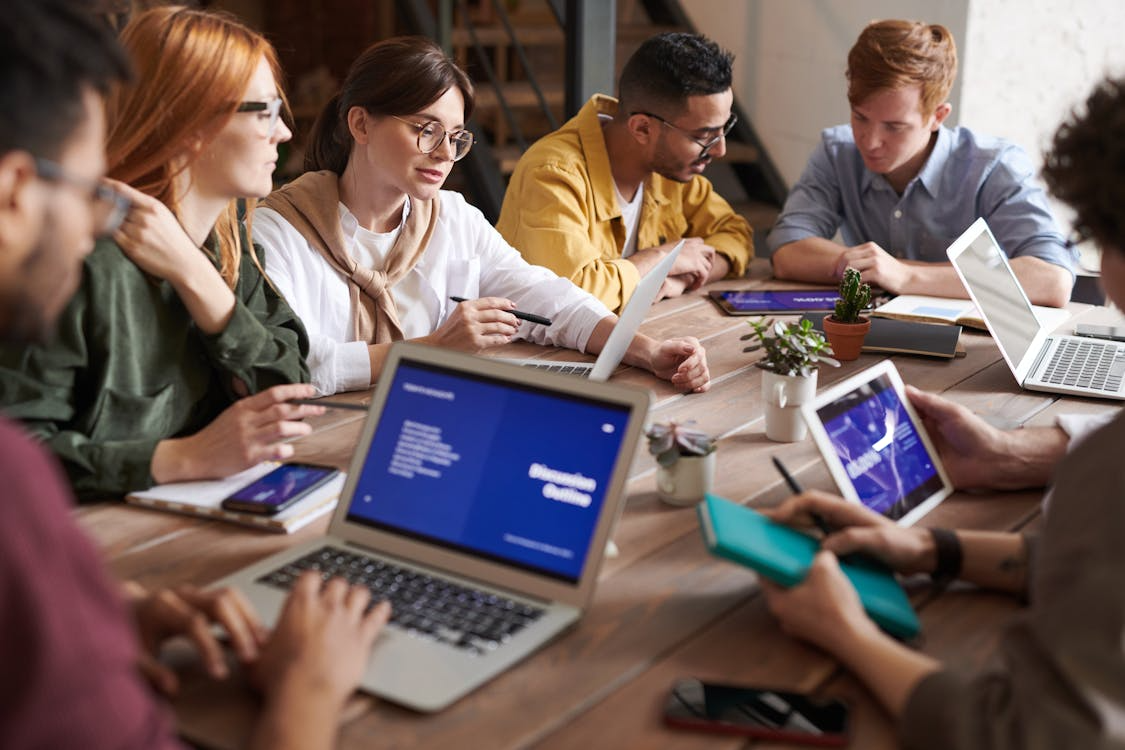
AI doesn't replace SOC analysts. It amplifies them. The technology handles the repetitive, high-volume tasks that cause burnout while freeing analysts to do the work that requires creativity and critical thinking. Complex investigations, threat hunting, and incident response planning all still need human expertise.
What changes is the quality of work life for security professionals. Instead of spending eight hours clicking through false positives, they spend time on meaningful analysis. This shift has real retention benefits in an industry where burnout and turnover are constant challenges. Teams using AI-driven security operations centers report higher job satisfaction and lower attrition rates.
Implementing AI in a SOC isn't just about buying software. It requires clean data, well-defined processes, and ongoing tuning. Organizations need visibility into their environment before AI can learn what normal looks like. They also need clear escalation paths so automated responses don't create new problems.
The concept of continuous monitoring and automated response has been part of security frameworks for years. AI simply makes it practical at scale. With the right foundation, organizations can reduce alert volume by 70% or more while actually improving their detection capabilities.
Ready to reduce alert fatigue and strengthen your security operations? Get in touch with Visio Consulting to explore AI-powered solutions tailored to your environment.
SOC alert fatigue is a real problem with measurable costs, from missed threats to burned-out analysts. AI addresses this challenge by filtering noise, prioritizing what matters, and automating routine responses. The technology keeps improving as it learns from analyst decisions, creating a positive cycle where security teams become more effective over time. For organizations struggling with alert overload, AI isn't a nice-to-have anymore. It's becoming the only practical path forward.