
How does AI decide which cyber threats need immediate attention? Contact Visio Consulting to strengthen your organization's security strategy today
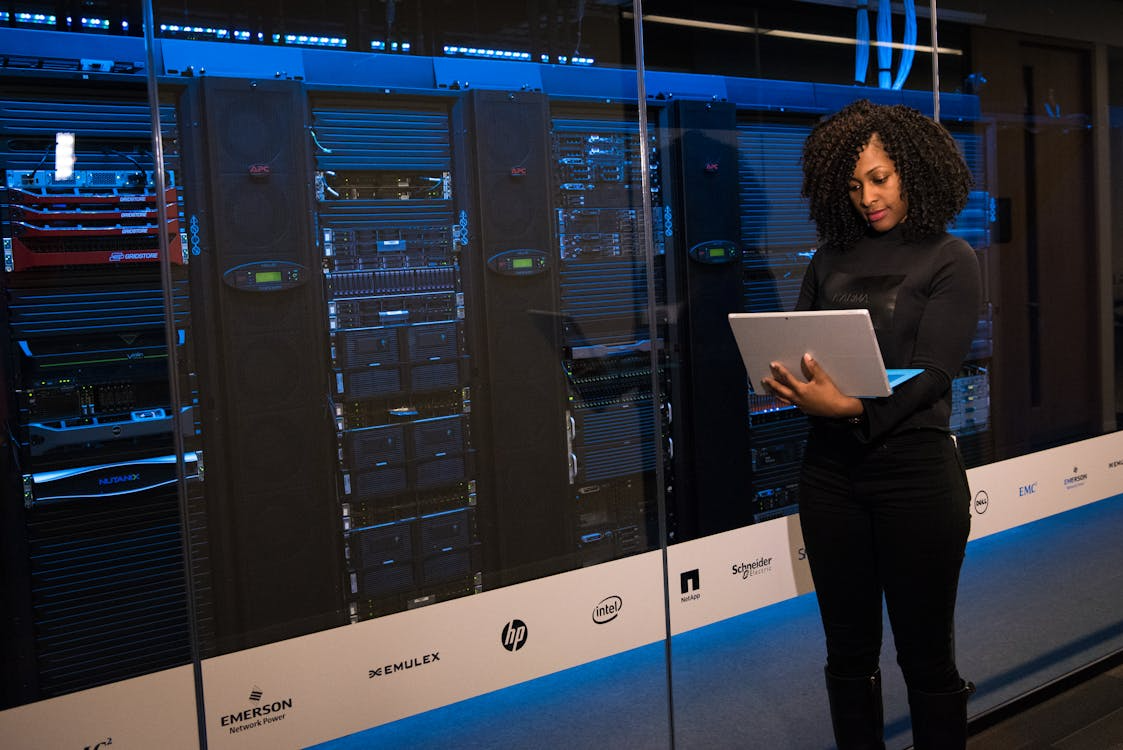
Security teams face thousands of alerts every day. Some signal real danger, while others turn out to be false positives or low-risk noise. The challenge isn't detecting threats anymore. It's figuring out which ones actually matter and need immediate action. That's where artificial intelligence comes in, transforming how organizations sort through the chaos and focus their limited resources on what truly puts them at risk.
Most organizations rely on security tools that generate alerts whenever something unusual happens. A failed login attempt, an unexpected data transfer, a new device connecting to the network. Each of these events triggers a notification, and over time, the volume becomes overwhelming. Security analysts spend hours reviewing alerts that often lead nowhere, and critical warnings can get buried in the flood.
This isn't just inefficient. It's dangerous. When teams are stretched thin, real threats slip through the cracks. A 2024 study found that the average enterprise security team receives over 10,000 alerts per day, but only a fraction represent actual attacks. Without a way to separate signal from noise, even well-staffed teams struggle to keep up.
Artificial intelligence approaches threat prioritization differently than rule-based systems. Instead of treating every alert equally, AI models learn to recognize patterns that indicate genuine risk. They analyze historical attack data, study how threats behave in real environments, and build a picture of what normal activity looks like for a specific organization.
When something deviates from that baseline, the AI doesn't just flag it. It evaluates the deviation against multiple factors to determine how serious the threat actually is. This process happens in milliseconds, allowing security teams to receive prioritized alerts that reflect actual risk levels rather than raw event counts.
Organizations implementing AI-based cyber threat prioritization report significant improvements in response times. By automating the initial triage process, analysts can focus their expertise on investigating and resolving the threats that matter most.

Several core capabilities work together to make intelligent threat prioritization possible.
Risk Scoring Models
AI assigns numerical scores to each detected threat based on factors like severity, exploitability, and potential business impact. A vulnerability in a public-facing payment system scores higher than the same vulnerability in an internal test environment. These scores aren't static. They update as new information becomes available or as the threat landscape shifts.
Contextual Awareness
Understanding context separates useful AI from basic automation. The system needs to know which assets are most valuable to the organization, how different systems connect to each other, and what data flows through various network segments. This context allows AI to recognize that a minor-looking alert on a critical database server deserves more attention than a major alert on a development machine nobody uses.
Behavioral Analysis
Rather than relying solely on known attack signatures, modern AI systems watch for behavioral anomalies. If a user account suddenly starts accessing files it's never touched before, or if a server begins communicating with an unfamiliar external address, the AI flags the activity for review. This approach catches novel attacks that signature-based tools miss entirely.
Organizations looking to strengthen their defenses often start with comprehensive security risk management services that establish the foundation AI systems need to function effectively.
Speed matters in cybersecurity. The longer a threat goes unaddressed, the more damage it can cause. AI-powered systems monitor network activity continuously, processing data streams that would overwhelm human analysts. When they detect something concerning, they can take immediate action, whether that means isolating a compromised endpoint, blocking suspicious traffic, or escalating the alert to the right team member.
This real-time capability pairs well with machine learning in security operations, where algorithms improve their accuracy over time by learning from new data. Every incident, whether it turns out to be a real attack or a false positive, helps the system refine its detection models.
The most effective implementations connect AI monitoring with existing security infrastructure. Platforms that integrate SIEM (Security Information and Event Management) and SOAR (Security Orchestration, Automation, and Response) tools create a unified command center where prioritized alerts flow into automated response playbooks.

Threat prioritization isn't purely a technical exercise. It's a business decision. Organizations need to protect what matters most to their operations, and that varies widely depending on industry, regulatory requirements, and strategic priorities.
AI systems work best when they're configured with this business context in mind. That means mapping critical assets, understanding compliance obligations, and defining acceptable risk thresholds. A healthcare organization might prioritize threats to patient data systems above everything else, while a financial services firm might focus on transaction processing infrastructure.
This alignment requires input from leadership, not just the security team. Effective business operations and governance strategy ensures that security priorities reflect organizational values and regulatory mandates.
AI doesn't operate in a vacuum. The best threat prioritization systems incorporate established security frameworks that provide structure for risk assessment. The National Institute of Standards and Technology (NIST) offers guidelines for risk-based vulnerability prioritization that many organizations use as a foundation.
These frameworks help standardize how threats are categorized and scored, making it easier to compare risks across different systems and communicate priorities to stakeholders who aren't security experts. AI can automate much of the assessment process, but human judgment remains essential for interpreting results and making final decisions.
One of the most immediate benefits of AI-powered prioritization is relief from alert fatigue. When analysts know that high-priority notifications represent genuine threats, they can respond with confidence instead of skepticism. Lower-priority alerts still get logged and reviewed, but they don't demand the same urgent attention.
This shift improves both efficiency and morale. Security professionals who spend their days chasing false positives burn out quickly. Those who focus on meaningful work, investigating real threats and strengthening defenses, stay engaged and effective.
Platforms offering ai-powered threat prioritization give teams the tools they need to work smarter without adding headcount.
AI-driven threat prioritization isn't a future concept. It's available now, and organizations that adopt it gain a meaningful advantage over those still drowning in unfiltered alerts. The technology continues to improve, but even current implementations deliver measurable results in faster response times, reduced analyst workload, and better protection for critical assets.
If your organization is ready to modernize its approach to cybersecurity, reach out to Visio Consulting for a conversation about what's possible.
AI transforms how organizations handle the flood of security alerts that modern networks generate. By analyzing threats in context, assigning risk scores, and learning from every incident, these systems help security teams focus on what actually matters. The result is faster response times, fewer missed threats, and analysts who can apply their expertise where it counts. As cyber threats grow more sophisticated, intelligent prioritization isn't optional. It's the foundation of effective defense.