
Can AI defend your supply chain from evolving cyber threats and sophisticated attacks? Contact Visio Consulting today to build resilience into your operations.
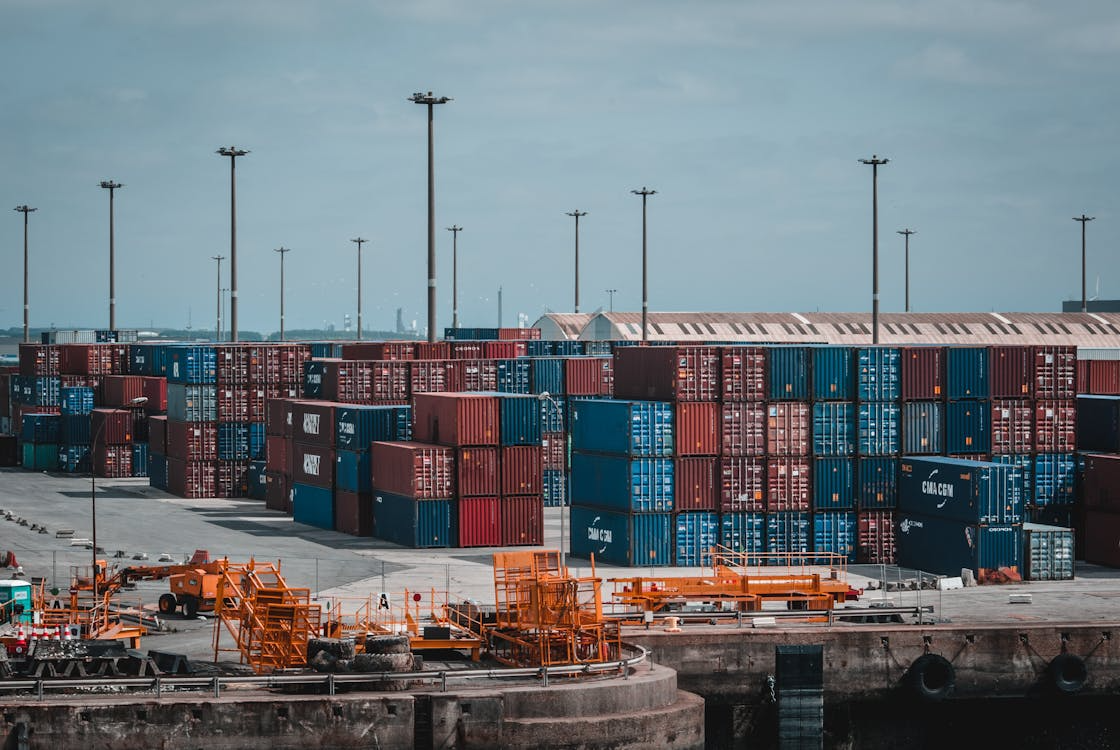
Supply chains have become prime targets for cyberattacks. With third-party vendors, cloud services, and software dependencies forming the backbone of modern operations, a single weak link can expose entire organizations to devastating breaches. The question organizations now face isn't whether they need better protection, but how AI can deliver it before attackers strike first.
Supply chain attacks have increased nearly 40% since 2023, costing organizations billions globally. These aren't random incidents. Attackers are deliberately targeting the interconnected relationships between vendors, software providers, and enterprise systems because one successful breach can cascade across hundreds of downstream organizations.
The 2020 SolarWinds attack demonstrated just how damaging these intrusions can be, compromising software used by over 600,000 companies worldwide. More recently, the xz Utils incident in 2024 revealed how open-source dependencies can be quietly manipulated over months before detection. These attacks share a common thread: they exploit trust relationships that traditional security tools weren't built to monitor.
What makes modern supply chain threats even more concerning is the role AI now plays on the attacker's side. Threat actors are using machine learning to automate reconnaissance, identify vulnerabilities faster, and craft malware that adapts to evade detection. The defenders need similar capabilities just to keep pace.
AI brings several capabilities to supply chain security that manual processes simply can't match. The most immediate benefit is continuous monitoring at scale. Organizations working with dozens or hundreds of vendors can't realistically assess every software update, credential change, or configuration shift in real time. AI can.
Machine learning models excel at identifying patterns and flagging anomalies that human analysts might miss. When a vendor's behavior deviates from established baselines, whether that's unusual data access patterns or unexpected code changes, AI systems can trigger alerts before damage spreads. This kind of supply chain cyber risk visibility has become essential for organizations managing complex vendor ecosystems.
Predictive analytics represents another powerful application. By analyzing historical attack patterns, threat intelligence feeds, and vendor risk profiles, AI can forecast where vulnerabilities are most likely to emerge. This shifts security from reactive to proactive, allowing teams to address weaknesses before attackers find them.
The approach aligns well with broader strategies around AI-driven supply chain risk management, where predictive models help organizations anticipate disruptions rather than simply responding to them.

For federal agencies and regulated industries, AI-powered supply chain security isn't optional anymore. Frameworks like the EU's NIS2 Directive and requirements and the U.S. Cybersecurity Framework requirements around FISMA compliance demand documented controls and measurable outcomes. AI helps meet these requirements while actually improving security posture rather than just checking boxes.
Here's where AI delivers the most value in practice:
Organizations looking to implement these capabilities benefit from expert guidance on security risk management services that align technology investments with actual risk reduction.
AI won't replace human judgment in security operations. The most effective implementations use AI to handle high-volume monitoring and initial triage while keeping humans in the loop for complex decisions. This matters because attackers are also using AI, and purely automated defenses can be outmaneuvered by adversaries who understand how algorithms respond.
The balance between automation and oversight requires clear governance frameworks. Effective business operations and governance strategy ensures that AI tools operate within defined parameters, with human review at critical decision points. Without this structure, organizations risk either moving too slowly to catch threats or triggering false positives that waste resources.
Training also plays a role. Security teams need to understand what AI tools can and cannot do, how to interpret their outputs, and when to override automated recommendations. Investing in supply chain security automation delivers the best results when paired with workforce development that builds trust in these systems.

Rushing AI deployment without proper vetting creates new vulnerabilities rather than eliminating them. The 2024 discovery of over 100 large language models on Hugging Face containing hidden backdoors showed just how risky careless adoption can be. Security teams need to treat AI tools with the same scrutiny they'd apply to any other software component.
Responsible adoption starts with understanding your current risk profile, identifying where AI can add measurable value, and building implementation roadmaps that prioritize high-impact use cases. It also means selecting vendors who prioritize transparency and can document how their AI systems reach conclusions.
For organizations ready to strengthen their supply chain security with AI, connect with Visio Consulting to explore strategies tailored to your operational environment and compliance requirements.
AI can absolutely protect the supply chain, but only when deployed thoughtfully. The technology excels at monitoring, pattern recognition, and rapid response. These strengths directly address the scale and speed challenges that make supply chain attacks so effective. At the same time, AI requires governance, skilled operators, and integration with broader security strategies to deliver lasting protection.
The organizations that get this right will gain competitive advantages through faster vendor onboarding, reduced breach exposure, and streamlined compliance. Those that wait may find themselves responding to incidents that smarter systems could have prevented. The choice is less about whether to adopt AI and more about how quickly you can do it well.