
Can AI catch insider threats before they cause damage? Contact Visio Consulting to strengthen your organization's cybersecurity defenses today.
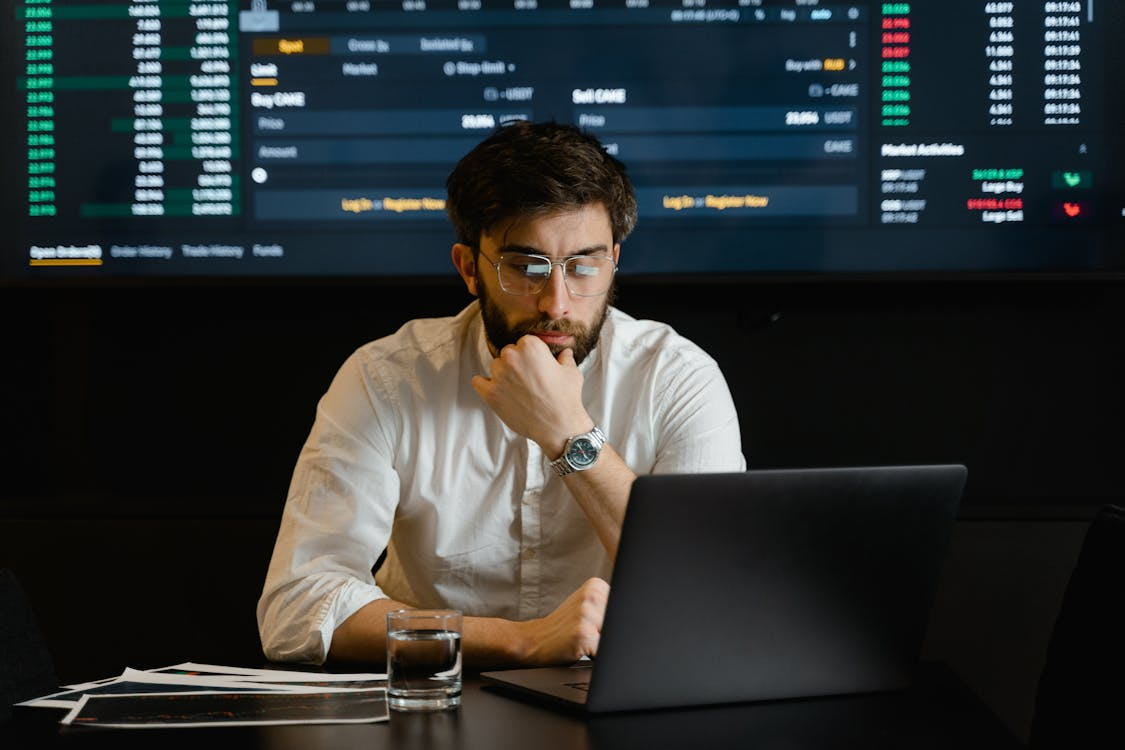
Insider threats remain one of the most difficult cybersecurity challenges for organizations of any size. Unlike external attacks that come from unknown sources, insider threats originate from people who already have legitimate access to your systems.
The question isn't whether these threats exist. It's whether your organization can spot them before real damage occurs. Artificial intelligence is changing how security teams approach this problem, offering the ability to detect suspicious behavior patterns that human analysts might miss or catch too late.
Insider threats fall into three main categories. Malicious insiders deliberately steal data or sabotage systems for personal gain, revenge, or outside payment. Negligent insiders cause harm through careless actions like clicking phishing links, mishandling sensitive files, or ignoring security protocols. Compromised insiders have had their credentials stolen by external actors who then use that access to move through your network undetected.
Traditional security tools struggle with all three types because they focus primarily on keeping outsiders out. Firewalls, intrusion detection systems, and access controls assume that anyone inside the perimeter is trustworthy. That assumption creates blind spots. When someone with valid credentials starts behaving suspiciously, legacy systems often don't raise alarms until significant damage has already been done.
AI-powered security platforms take a fundamentally different approach. Instead of relying on predefined rules about what constitutes a threat, these systems learn what normal looks like for each user and each system in your environment. They build behavioral baselines over time, tracking patterns like login times, data access frequency, file download volumes, and communication habits.
When someone deviates from their established baseline, the AI flags it for review. Maybe an accountant who normally accesses financial records during business hours suddenly starts downloading large files at 2 AM. Maybe a developer with no previous interest in HR files starts browsing employee records. These anomalies might have innocent explanations, but they warrant attention.
The real power of AI-based insider threat detection lies in its ability to correlate multiple weak signals into a stronger indicator of risk. A single unusual action might mean nothing. But when AI connects several small deviations across different systems, it can surface threats that would otherwise stay hidden in the noise of daily operations.

Behavioral analytics for insider threats goes beyond simple rule-based alerts. These systems use machine learning algorithms to understand context and intent, not just actions. They consider factors like:
This contextual awareness helps reduce false positives, which have traditionally been a major pain point for security teams. When every alert requires manual investigation, analysts quickly become overwhelmed and may start ignoring warnings altogether. AI that understands context can prioritize the alerts most likely to represent real threats.
Deploying AI for insider threat detection isn't as simple as installing software and waiting for alerts. Organizations need a comprehensive framework that combines technology with policy and human judgment.
Organizations should also align their detection efforts with established insider threat mitigation strategies from agencies like CISA. These frameworks provide tested approaches that complement AI capabilities.

AI isn't a perfect solution. These systems require substantial data to build accurate baselines, which means new employees or newly deployed systems may not have enough history for reliable analysis. The algorithms can also inherit biases from their training data, potentially flagging certain behaviors unfairly or missing others entirely.
Privacy concerns present another challenge. Employees may feel uncomfortable knowing their every action is being monitored and analyzed, even if the intent is to protect the organization. Balancing security needs with workforce trust requires thoughtful business operations and governance strategy that clearly communicates why monitoring exists and how data is protected.
There's also the risk of over-reliance on automation. AI should augment human decision-making, not replace it entirely. The most effective insider threat programs combine algorithmic detection with experienced analysts who can apply judgment and context that machines still struggle to replicate.
Addressing insider threats effectively requires a layered approach. AI-powered detection is one critical layer, but it works best alongside strong security risk management services that address the full spectrum of organizational vulnerabilities. This includes access controls, employee training, incident response planning, and continuous monitoring.
Organizations in regulated industries face additional pressure to demonstrate that their security programs meet compliance requirements. AI tools that provide detailed audit trails and reporting capabilities can help satisfy these obligations while also improving actual security outcomes.
Ready to explore how AI can strengthen your insider threat detection capabilities? Contact Visio Consulting to discuss your organization's specific needs and develop a tailored approach.
AI offers real capabilities for detecting insider threats earlier than traditional methods allow. By analyzing behavioral patterns and learning what normal looks like across your organization, these systems can surface risks that might otherwise go unnoticed. But technology alone isn't enough. Success requires combining AI tools with clear policies, trained personnel, and a commitment to balancing security with employee trust.